 Save
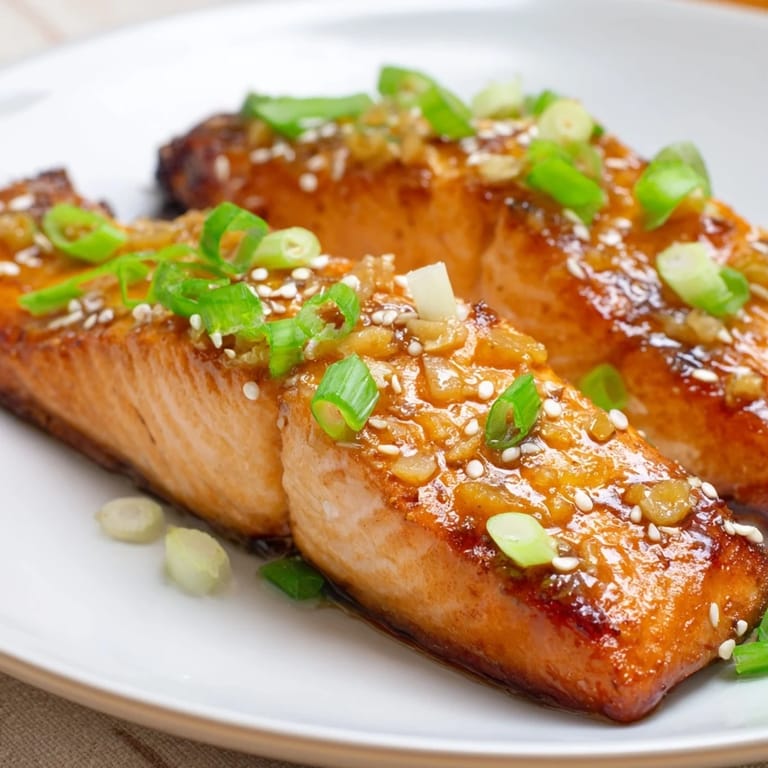
Save There's something about the sound of salmon hitting hot oil that signals dinner is about to get really good. I discovered this honey garlic glaze entirely by accident one weeknight when I had salmon thawing but felt bored by my usual preparations. The combination of sweet honey and pungent garlic seemed risky at first, but the moment that glossy sauce hit the pan, I knew I'd stumbled onto something that would become a regular rotation in my kitchen. Now it's the recipe friends ask me to make when they want restaurant-quality fish without the fuss.
I'll never forget the first time I made this for my partner after a long week—they took one bite and went completely quiet, which honestly terrified me until they looked up and asked when we were having it again. Turns out the simplest dishes sometimes make the biggest impressions, especially when the kitchen smells like caramelized honey and garlic and everything comes together without a single burnout moment.
Ingredients
- Salmon fillets (4, about 150g each): Look for fillets that feel firm and smell fresh like the ocean, not fishy—that's the trick to knowing you have good quality fish to work with.
- Honey (3 tablespoons): The sweetness becomes almost savory once it hits the heat, so don't skip it or substitute with something too refined.
- Soy sauce or tamari (3 tablespoons): Tamari is gluten-free and honestly has a rounder, slightly sweeter flavor if you can find it.
- Garlic (4 cloves, finely minced): Mince it small so it distributes evenly in the sauce instead of leaving big chunks that burn.
- Fresh lemon juice (1 tablespoon): This cuts through the sweetness and keeps the sauce from becoming cloying.
- Water (1 tablespoon): Just enough to help the sauce come together without diluting the flavors.
- Olive oil or unsalted butter (2 tablespoons): Olive oil gives you a higher smoke point, but butter creates the most beautiful golden color on the skin.
- Salt and fresh black pepper: Season generously before the salmon hits the pan—this is where half the flavor lives.
Tired of Takeout? 🥡
Get 10 meals you can make faster than delivery arrives. Seriously.
One email. No spam. Unsubscribe anytime.
Instructions
- Dry your salmon and season:
- Pat each fillet with paper towels until the surface is completely dry, then sprinkle both sides with salt and pepper. Drying the fish is non-negotiable if you want that crispy exterior that makes this dish sing.
- Build your sauce:
- Whisk honey, soy sauce, minced garlic, lemon juice, and water in a small bowl and set it nearby. Having everything ready before you start cooking means you can move fast once the salmon hits the heat.
- Get the pan screaming hot:
- Heat olive oil or butter in a large nonstick skillet over medium-high heat until it shimmers and moves around like liquid metal. You'll know it's ready when a tiny piece of garlic sizzles immediately.
- Sear the salmon skin-side down:
- Place fillets in the pan and resist the urge to move them for 3-4 minutes—let them develop that golden, crispy skin that makes your eyes light up. You'll see the edges turn opaque as the heat works its way through the fish.
- Flip and finish the first side:
- Turn each fillet carefully and cook for another 2-3 minutes until the flesh is nearly cooked through. The fish will start to flake slightly when you peek at the thickest part.
- Lower the heat and introduce the sauce:
- Reduce heat to medium-low and pour that glossy sauce around and over the salmon fillets. Now you'll see something magical happen as the heat transforms the raw sauce into something thick and caramelized.
- Spoon and simmer:
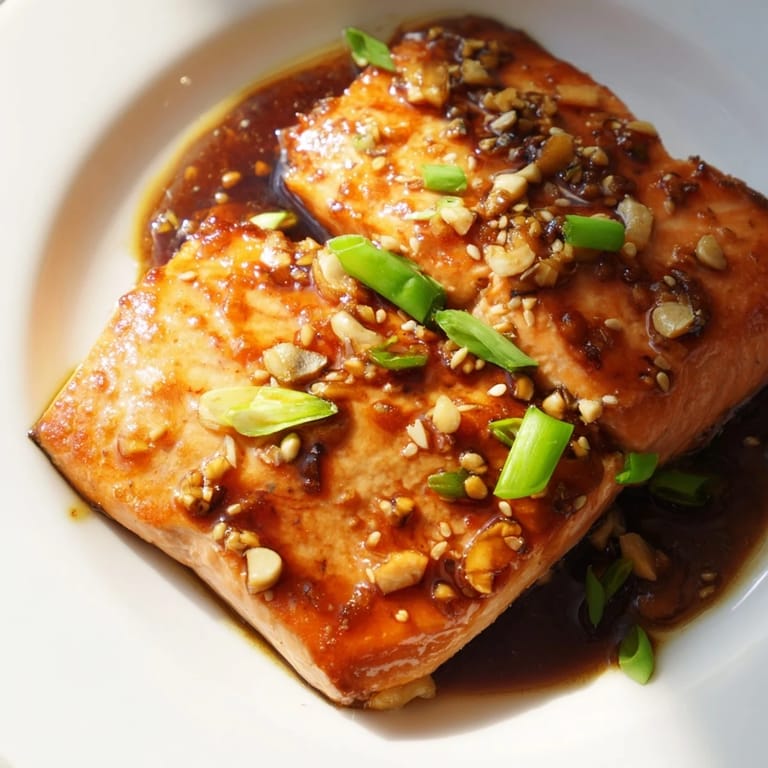
- Tilt the pan slightly and use a spoon to continuously baste the salmon with the sauce for 2-3 minutes. This creates that restaurant-style glaze that makes people think you spent hours in the kitchen.
- Remove when it's glistening:
- The salmon is done when it flakes apart with gentle pressure and the sauce coats the back of a spoon in a thick, glossy layer. Trust your instincts here—overcooked salmon turns mealy, and that's the only real mistake you can make.
 Save
Save What I love most is how this dish transformed salmon from something I made out of obligation into something I genuinely crave. There's a reason it's asked for at almost every dinner I host now—it bridges the gap between approachable and impressive in a way very few recipes manage.
Why This Sauce Works So Well
The magic is in how honey and soy sauce interact when heated together—the honey's natural sugars caramelize and deepen, while the soy sauce adds umami depth that makes you think there's way more complexity happening than there actually is. The garlic doesn't stay harsh or raw; it mellows into something almost sweet that hugs every bite of fish. Lemon juice is the unsung hero that keeps everything in balance, preventing the sweetness from becoming cloying.
Serving This Like a Pro
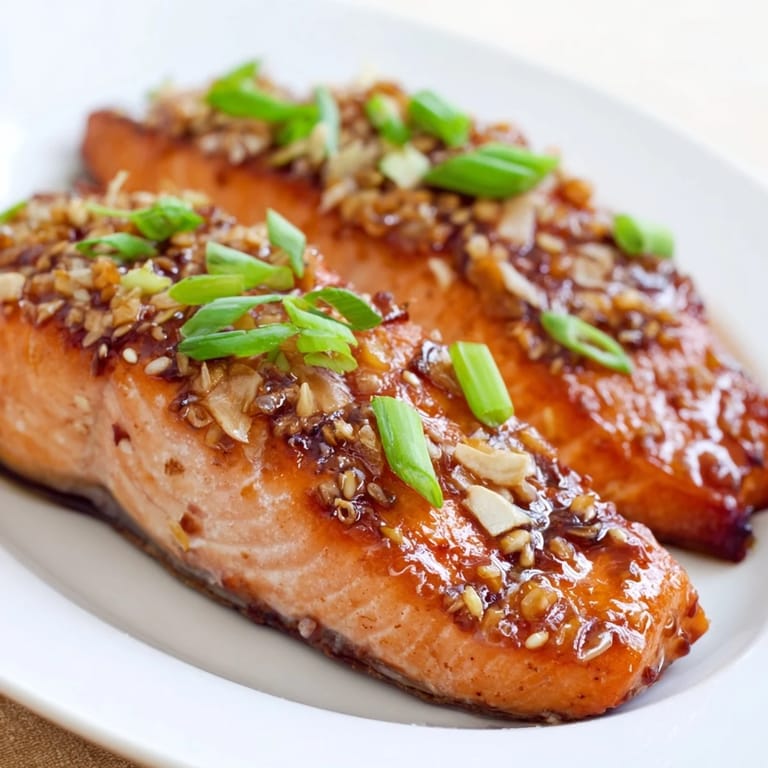
Steamed rice is the classic choice because it catches every drop of that sauce and transforms into something golden and delicious. I've also served this over jasmine rice when I wanted something more fragrant, or with simple roasted vegetables that caramelize in the same way the sauce does. The green onions and sesame seeds aren't just garnish—they add a brightness and texture that your palate absolutely notices.
Small Tweaks That Make a Difference
This is the kind of recipe that responds beautifully to minor adjustments based on what you're feeling. If you love heat, a pinch of red pepper flakes creates a subtle burn that complements the sweetness perfectly. Maple syrup can replace honey if you want something with a deeper, almost molasses-like quality. The lemon juice amount is flexible too—if you like brighter, more acidic dishes, add an extra half tablespoon and watch how it transforms the whole profile.
- Let the salmon come close to room temperature before cooking so the inside cooks evenly without the outside overdoing.
- If your pan isn't nonstick, oil it generously and let it preheat longer to prevent sticking.
- Leftover sauce is incredible spooned over rice the next day, so don't feel bad about making extra.
 Save
Save This recipe quietly proves that you don't need complicated techniques or long ingredient lists to create something that tastes like you've been cooking all day. Serve it with a dry white wine and watch how quickly plates get cleaned.
Recipe Questions
- → How do I prevent the salmon from sticking to the pan?
Ensure the pan is well-heated with oil or butter before adding the salmon. Patting the fillets dry helps, and cooking skin-side down first creates a natural release as the fish crisps.
- → Can I use alternatives to soy sauce in the glaze?
Yes, tamari is a great gluten-free substitute, and coconut aminos can also be used for a milder flavor.
- → How do I achieve a glossy sauce finish?
Simmer the honey garlic sauce gently around the salmon, spooning it over as it thickens and glazes the fish for a shiny, flavorful coating.
- → What sides complement this honey garlic salmon best?
Light sides like steamed rice, sautéed or steamed seasonal vegetables, and garnishes such as sliced green onions and sesame seeds pair excellently.
- → Is it possible to add heat to the sauce?
Absolutely, incorporating a pinch of red pepper flakes or a dash of hot sauce into the glaze adds a pleasant spicy kick.