 Save
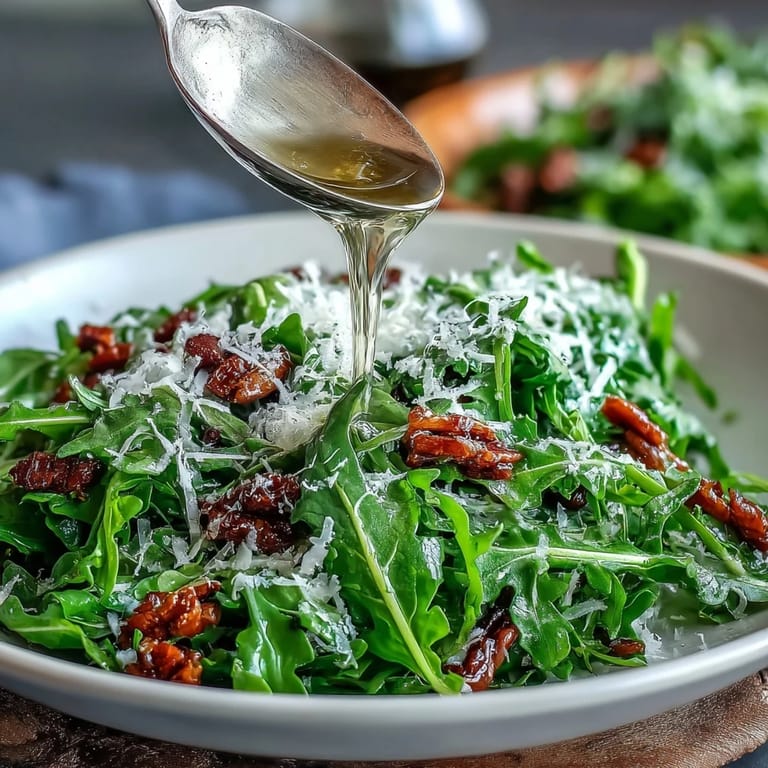
Save There's something about a salad that tastes like sunshine that makes you feel like you've figured something out in the kitchen. My neighbor brought this over one spring evening, and I watched how the lemon juice caught the light when she whisked it with the oil, creating this perfect golden emulsion. She barely spent ten minutes putting it together, yet somehow it tasted like she'd been thinking about every single ingredient for weeks. That's when I understood that the best dishes aren't always the most complicated—they're just the ones made with intention and really good lemons.
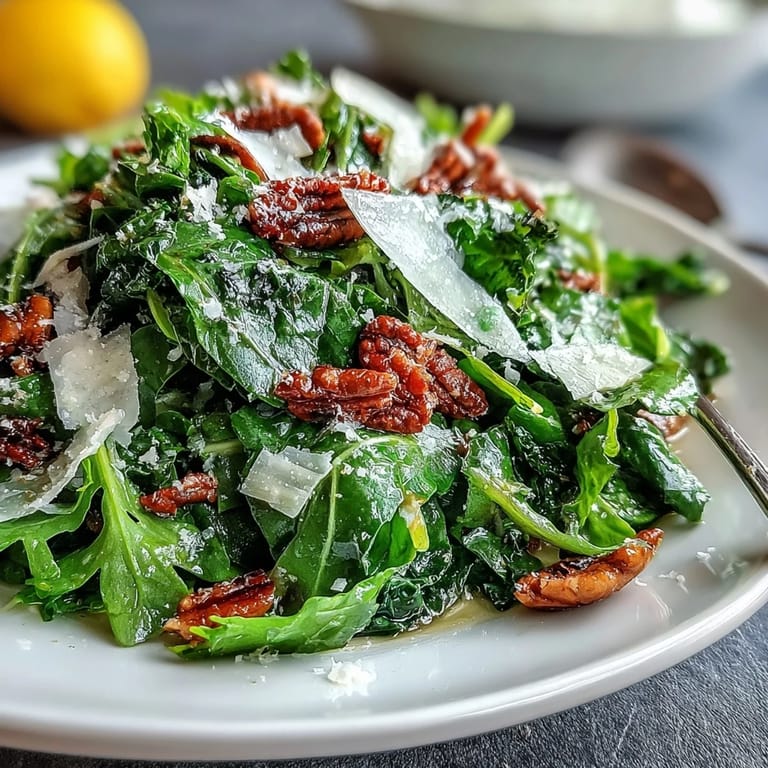
I made this for my sister's book club gathering last summer, and someone actually asked for the recipe before dessert even came out. That never happens at our house—people are usually too busy arguing about the plot twist. But there was something about how the Parmesan curls caught on the peppery leaves that stopped everyone mid-conversation. It became the salad I'd make whenever I wanted to feel confident in the kitchen without actually breaking a sweat.
Ingredients
- Fresh arugula (5 oz): Buy it the day you're making this if you can, because those delicate leaves get sad quickly once they're home. The peppery bite is what makes this salad feel alive rather than forgettable.
- Extra-virgin olive oil (3 tbsp): This is where you actually taste the quality difference, so don't reach for the cheap bottle hiding in the back of the cabinet. Good oil makes the whole vinaigrette taste like it came from somewhere intentional.
- Freshly squeezed lemon juice (1 1/2 tbsp): Bottled juice will work in a pinch, but fresh changes everything—the brightness is sharper, more alive, like biting into the lemon itself.
- Dijon mustard (1 tsp): This tiny amount does the heavy lifting by helping the oil and lemon stay friends instead of separating into awkward layers.
- Honey (1/2 tsp): Just enough to round out the sharp edges without making the dressing sweet, which is the whole dance of balance.
- Garlic clove, minced (1 small): One clove, not three—learn this lesson so the vinaigrette whispers garlic instead of shouting it.
- Parmesan cheese, shaved (1/3 cup): Use a vegetable peeler to create thin, delicate shavings that melt slightly when they hit the warm leaves; it's a small gesture that changes everything.
- Toasted pine nuts (1/4 cup, optional): Toast them yourself if you have the time; the smell alone will make you wonder why you haven't been doing this all along.
- Sea salt and black pepper: Taste as you go with these—they're the final word on whether the whole thing sings or falls flat.
Tired of Takeout? 🥡
Get 10 meals you can make faster than delivery arrives. Seriously.
One email. No spam. Unsubscribe anytime.
Instructions
- Build your dressing like you're painting:
- Combine the olive oil, lemon juice, Dijon mustard, honey, minced garlic, salt, and pepper in a small bowl or jar. Whisk or shake it until the mixture looks unified and glossy, which means the mustard has done its job of helping everything cling together. This takes about a minute of focused attention, and it's worth doing right.
- Cradle the arugula gently:
- Place your fresh arugula in a large salad bowl and drizzle the vinaigrette over it gradually, tossing with your hands or two forks so every leaf gets kissed but nothing gets bruised. The leaves are tender enough that rough handling will turn them into sad, dark mush before you even get to the table.
- Layer in the texture and richness:
- Scatter the shaved Parmesan and toasted pine nuts across the top, then do one final, gentle toss. This is the moment where everything comes together—you'll see flakes of cheese catch light and nuts add that little crunch that makes you want another bite.
- Serve it while it's cold and bright:
- Plate immediately and add extra Parmesan shavings if you're feeling generous with yourself. The sooner this hits the table, the better it tastes.
 Save
Save My friend Marcus once told me that this salad reminded him of eating lunch on his grandmother's balcony in Tuscany, which I know sounds like something out of a movie. But when I watched him eat it, his shoulders relaxed in a way they usually don't, and I realized that food has this quiet power to transport you somewhere else. That's when I stopped thinking of it as just a salad and started thinking of it as a small, edible memory.
The Science of Emulsification
That moment when oil and lemon juice stop fighting and become one creamy thing is emulsification, and the Dijon mustard is doing the negotiation. The mustard's natural compounds help tiny droplets of oil suspend in the acidic lemon juice, which is why the dressing coats the leaves instead of sliding to the bottom of the bowl like a puddle. Understanding this changed how I approach every vinaigrette I make—it's not magic, it's just chemistry doing its polite work.
Why Arugula Deserves Better
Arugula has this peppery kick that people either love immediately or think tastes like eating spicy grass, and I'm not sure there's a middle ground. The warmth comes from compounds called glucosinolates, which are also what make mustard sharp and cabbage assertive. When you pair this peppery bite with something as bright and clean as lemon, they don't fight—they actually seem to understand each other. That's why this simple salad works when fancier versions with more ingredients somehow miss the point entirely.
Making It Your Own
The beauty of this salad is that it's a foundation rather than a rigid rule, so feel free to build on it depending on what you have and what you're hungry for. I've made it with sliced cherry tomatoes that add sweetness, thin red onion for bite, or even grilled chicken if I want it to become more of a meal than a side dish. The vinaigrette holds strong no matter what you add, which is the mark of a really good dressing.
- Toast the pine nuts yourself in a dry skillet over medium heat for about three minutes, watching them constantly because they go from golden to burnt in what feels like one blink.
- If you can't find fresh arugula, baby spinach works in a pinch, though you'll lose some of that peppery personality.
- Make extra vinaigrette and keep it in the fridge for up to three days—it's perfect on roasted vegetables, grilled fish, or tomorrow's salad.
 Save
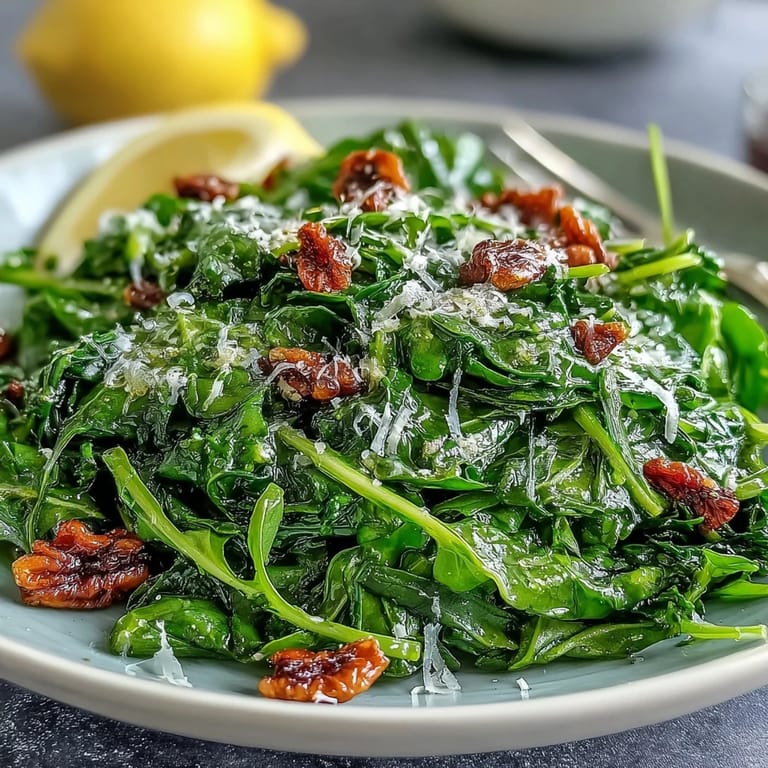
Save This salad has quietly become one of my go-to dishes because it proves that simple, done well, beats complicated every time. It's the kind of thing you make for yourself on a regular Tuesday, but it's also what you'd serve to someone whose opinion matters.
Recipe Questions
- → What salad greens work best with lemon vinaigrette?
Peppery greens like arugula complement the tangy lemon dressing well, but mixed baby greens or spinach can also be used.
- → Can I substitute pine nuts in this salad?
Yes, toasted walnuts or almonds provide a similar crunch and nutty flavor as alternatives to pine nuts.
- → How should I store leftovers?
Store undressed greens separately and vinaigrette in a sealed container. Toss together just before serving to keep greens crisp.
- → What wine pairs well with this salad?
Crisp white wines such as Pinot Grigio or Sauvignon Blanc enhance the fresh and tangy flavors of the dish.
- → Is it possible to prepare the dressing ahead of time?
Yes, the lemon vinaigrette can be whisked and refrigerated for up to two days. Stir well before use.