 Save
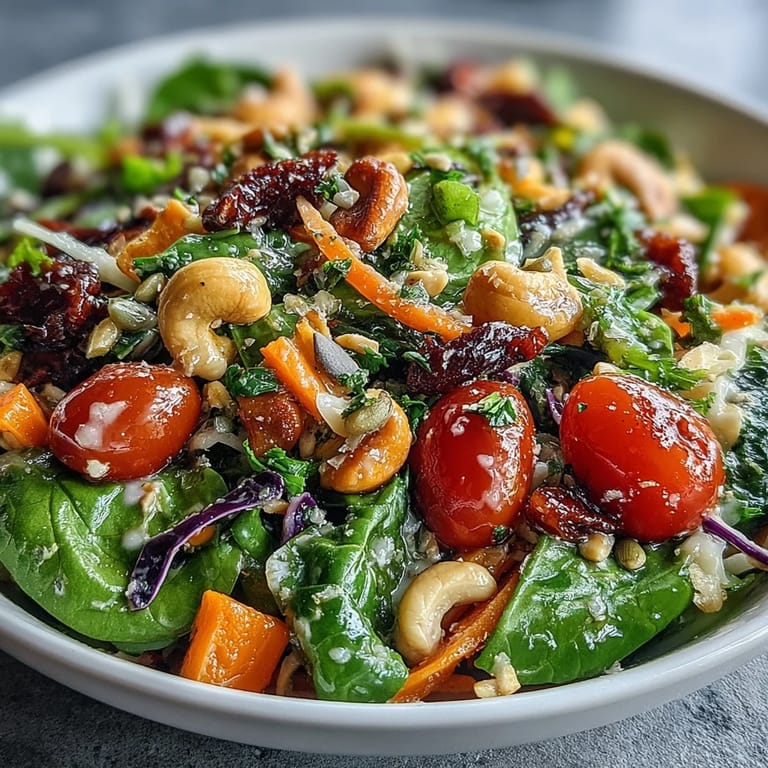
Save My colleague Sarah showed up to work one Tuesday with this stunning bowl of colors that made everyone at the lunch table stop mid-conversation. She let me steal a forkful, and I was immediately hooked by how it didn't taste like virtuous eating at all—just pure, crunchy satisfaction. That afternoon, I found myself searching her down for the recipe, and what she handed me was delightfully simple: a blueprint for throwing together whatever felt vibrant and nourishing. Now, whenever I need to feel like I'm taking care of myself without the fuss, this is what lands on my plate.
I made this for a small garden potluck on a hot summer evening, and I watched people actually go back for seconds of a salad, which never happens. Someone asked if it was from a restaurant, and I got to have that quiet proud moment of saying I threw it together at home. That's when I realized this isn't just about nutrition—it's about creating something so visually appealing and genuinely delicious that people forget they're eating their vegetables.
Ingredients
- Quinoa or brown rice: This is your protein anchor and gives the salad substance, so don't skip it or you'll end up with a side dish instead of a main.
- Cherry tomatoes: Halving them instead of quartering means they won't get lost between the other vegetables and will burst with juice in your mouth.
- Purple cabbage: It holds its crunch longer than green cabbage and adds a subtle sweetness that balances the brightness of the dressing.
- Carrots: Grating them creates a delicate texture that distributes throughout the bowl rather than sitting in chunks.
- Bell pepper: Yellow provides a gentle sweetness—red would be bolder, orange more subtle, so choose based on your mood.
- Baby spinach: Fresh spinach wilts slightly when tossed with warm grains, softening without becoming mushy.
- Cucumber: Slice thin enough that it absorbs the dressing but thick enough to stay crisp.
- Chickpeas and black beans: The combination of two beans adds complexity—chickpeas bring earthiness, black beans contribute a subtle mineral quality.
- Cashews or almonds: Roasted nuts add richness and prevent the salad from feeling too light; don't use raw or the texture falls flat.
- Seeds: Pumpkin and sunflower seeds toast themselves in your mouth and add a satisfying nutty finish.
- Extra-virgin olive oil: The quality matters here since it's raw; cheap oil tastes like nothing, good oil tastes like autumn.
- Lemon juice: Fresh lemon is non-negotiable—bottled juice misses the brightness and floral notes that make this dressing sing.
- Maple syrup or honey: The sweetness rounds out the acidity and helps emulsify the dressing into something velvety.
- Dijon mustard: It acts as an emulsifier and adds a subtle sophistication that most people won't identify but will definitely taste.
Tired of Takeout? 🥡
Get 10 meals you can make faster than delivery arrives. Seriously.
One email. No spam. Unsubscribe anytime.
Instructions
- Cook your grain with intention:
- Follow package directions for your chosen grain, then spread it on a plate to cool completely so the warm grains won't wilt the delicate vegetables when combined. This takes patience but transforms the texture of the entire salad.
- Prepare and arrange your vegetables:
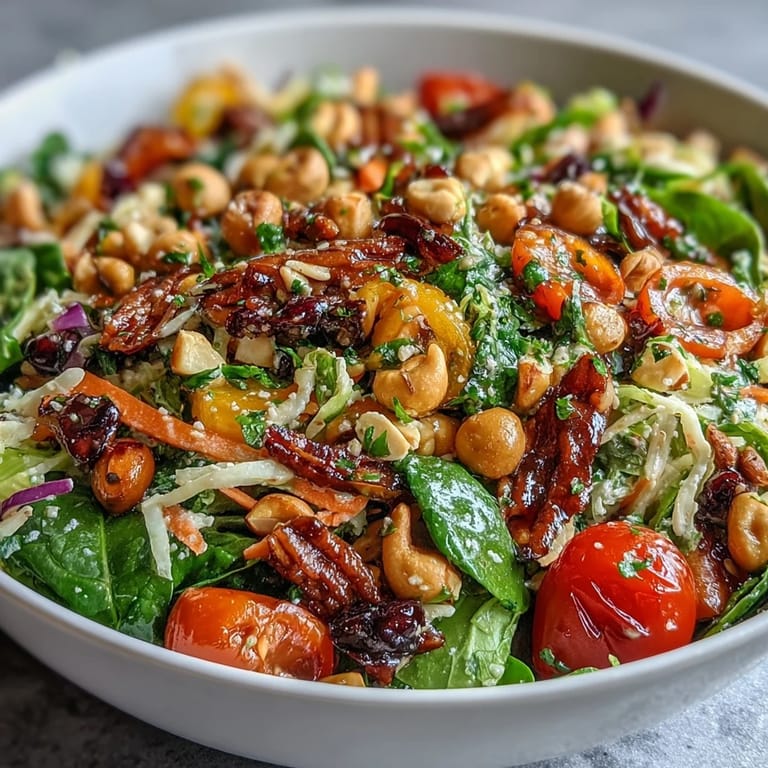
- Wash everything thoroughly and slice or dice with a sharp knife—dull blades crush vegetables and make them release their juices too early. Arrange in colorful sections on your serving dish so everyone can see the rainbow before tossing.
- Whisk your dressing with confidence:
- Combine oil, lemon juice, maple syrup, mustard, minced garlic, salt, and pepper in a small bowl and whisk steadily until the mixture becomes thick and glossy, about thirty seconds. You'll feel it emulsify under your whisk—that's when you know it's perfect.
- Combine at the last moment:
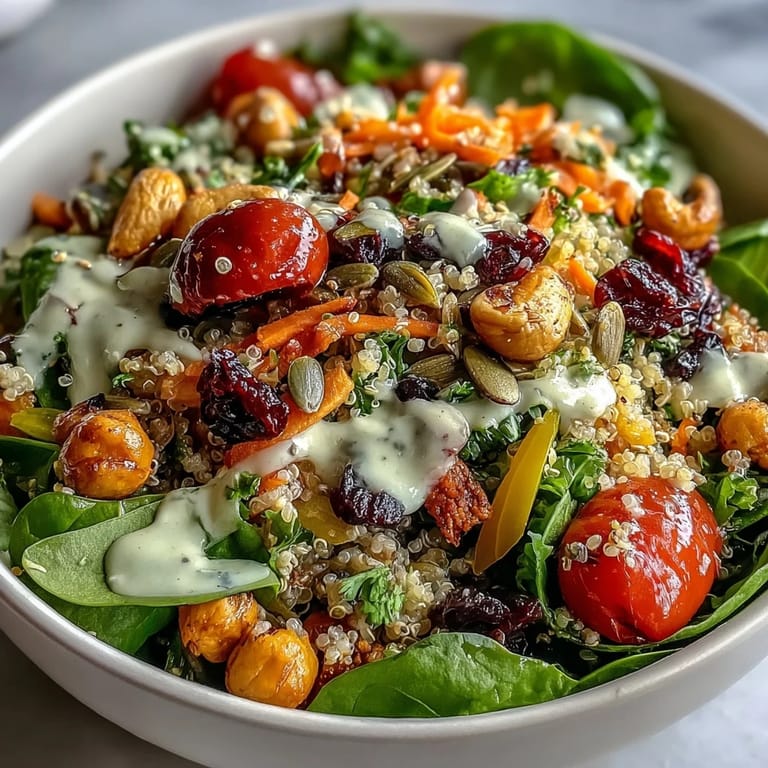
- Just before serving, drizzle the dressing over the salad and toss gently with salad tongs or your hands—aggressive mixing bruises the delicate vegetables. If you're serving a crowd, consider leaving the dressing on the side so people can dress their own bowls.
 Save
Save There's something almost meditative about arranging all those vegetables in their color groups, watching the bowl fill with reds and purples and yellows and greens until it looks like edible art. My youngest asked to help once, and she was so concentrated on getting the colors just right that she ate three times as much salad as usual, not realizing she was feeding herself something genuinely nourishing. That's the magic of a bowl like this.
The Rainbow Effect
Colors aren't just beautiful—they're a shorthand for nutrition. Each color represents different vitamins and minerals: red and orange vegetables are packed with beta-carotene, deep purple cabbage contains anthocyanins, and greens deliver iron and folate. When you build a salad this colorful, you're not overthinking nutrition, you're just eating across the spectrum and naturally getting a complete nutritional picture. It's foolproof eating.
Why This Works as a Main Course
Most salads are sidekicks, but this one holds its own because of the trinity of protein sources: the grain provides complex carbohydrates and amino acids, the beans deliver plant-based protein and fiber, and the nuts and seeds round it out with healthy fats that make you feel satisfied. The combination means you're not hungry two hours later like you would be after a lighter salad. This is the kind of food that fuels your afternoon without weighing you down.
Making It Your Own
The beauty of this salad is that it's a template, not a prescription. I've made it with farro instead of quinoa on weeks when I wanted a chewier texture, swapped in roasted sweet potato when I had some leftover, and once added shredded beets because they were on sale and turned the whole thing a blushing pink. The dressing is also flexible—swap the maple syrup for a touch of apple cider vinegar if you want it sharper, or add a whisper of tahini if you want it creamier.
- Roasted vegetables like Brussels sprouts or zucchini add warmth and depth if you want to turn this into a cold-weather main.
- A handful of fresh herbs stirred in just before serving—basil, mint, or tarragon—elevate it from simple to sophisticated.
- If you're feeding non-vegetarians, crumbled feta, grilled chicken, or pan-seared salmon all land beautifully without overwhelming the vegetables.
 Save
Save This salad became my answer to the question I ask myself almost every day: what can I eat that nourishes me, satisfies me, and doesn't feel like punishment for wanting to take care of myself? That might sound like a small thing, but it's actually everything. Once you discover a dish like this, you stop apologizing for eating well.
Recipe Questions
- → How long does this rainbow bowl keep in the refrigerator?
The prepared bowl stays fresh for 3-4 days when stored in an airtight container. Keep the dressing separate and add just before serving to maintain the best texture and flavor.
- → Can I use different grains instead of quinoa?
Absolutely. Brown rice, farro, bulgur, or even couscous work wonderfully. Just cook according to package directions and cool completely before assembling.
- → What vegetables can I substitute for seasonal variety?
Feel free to swap in whatever looks fresh at your market. Roasted sweet potato, shredded beets, diced bell peppers, shredded kale, or fresh corn kernels all add beautiful colors and flavors.
- → How can I add more protein to this bowl?
Grilled tofu, tempeh, roasted chicken, or hard-boiled eggs make excellent protein additions. For plant-based options, increase the beans or add hemp seeds for extra protein.
- → Is the dressing make-ahead friendly?
Yes. Whisk together the dressing up to 5 days in advance and store in a sealed jar in the refrigerator. Give it a good shake before using as the oil may solidify when cold.
- → Can this bowl be served warm?
Certainly. Serve the grains warm and arrange the vegetables on top. The contrast of warm grains with crisp fresh vegetables creates a delightful eating experience, especially during cooler months.