 Save
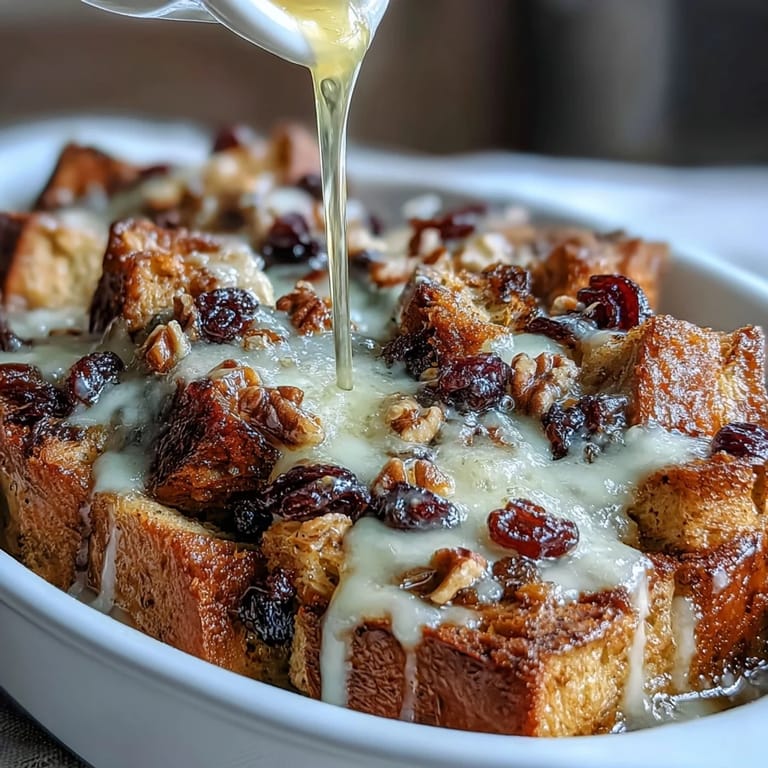
Save The first time I came across capirotada, I wasn't searching for dessert—just something to warm up a chilly afternoon in spring. I remember the kitchen filling with the perfume of cinnamon and piloncillo as I layered the bread, and the quiet anticipation when the raisins started to swell in their sweet bath. It was one of those moments where you realize simple pantry staples can turn magical. The recipe felt like an invitation to play: stacking slices, sprinkling cheese, and sampling the syrup before assembly. There's an understated joy in pulling together flavors that seem unlikely companions, but emerge as pure comfort.
I once baked capirotada for a midday gathering during Lent, joking with my aunt about whose cheese would melt fastest. Each layer got a little more generous, and by the time the pan came out of the oven, the house felt festive on an ordinary Wednesday. We didn't wait for it to cool completely—everyone wanted to dig in together, spoons clinking against the sides of the dish. Those first forkfuls vanished with laughter about how dessert for lunch might become a tradition.
Ingredients
- Bread: Day-old bolillo or baguette is best for soaking up syrup without turning to mush; cutting one-inch rounds makes stacking easier, while toasting brings out nutty flavors.
- Piloncillo: Chopping it helps dissolve quickly; if you swap for dark brown sugar, watch the syrup closely since sweetness intensifies fast.
- Cinnamon Sticks: Whole sticks add warmth and subtle spice—break them in half for more flavor.
- Raisins: Plump raisins absorb syrup and add chewy bursts; sprinkle them evenly so every bite gets a few.
- Shredded Cheese: Monterey Jack or mozzarella create creamy pockets; queso fresco gives gentle tang if you want something lighter.
- Butter: Greasing the dish is key for golden edges; a little extra in the syrup turns everything silkier.
- Pecans or Peanuts: Chopped nuts bring crunch and depth, but skip if you prefer a softer pudding.
- Cloves: Whole cloves infuse complexity—just be sure to fish them out so no surprises turn up at the table.
Tired of Takeout? 🥡
Get 10 meals you can make faster than delivery arrives. Seriously.
One email. No spam. Unsubscribe anytime.
Instructions
- Toast the Bread:
- Set the oven to 350°F and lightly butter your baking dish, then arrange bread rounds on a sheet and toast until crisp and golden on both sides. The aroma alone signals you're in the home stretch as they dry out and a subtle crunch develops.
- Make the Syrup:
- In a saucepan, combine piloncillo, water, cinnamon sticks, and cloves; bring gently to a simmer, stirring until the piloncillo melts and the kitchen smells intoxicating. Stir in a tablespoon of butter for silkiness, then fish out the cloves and cinnamon.
- Layer Your Ingredients:
- Start with half the toasted bread at the bottom of your dish, sprinkle with raisins, cheese, and nuts, then drizzle generously with syrup. Repeat for a hearty second layer, pressing gently with a spatula so the bread soaks up every drop.
- Bake:
- Cover the baking dish with foil and bake for 20 minutes, then remove the foil and let it finish for another 10 until cheese bubbles, bread browns, and the top is golden. The bubbling syrup tells you it's nearly ready.
- Serve:
- Rest for about 10 minutes so the flavors settle, then scoop out warm wedges or let it cool for a slightly firmer slice. This is when the scents invite everyone to the kitchen, promising sweet rewards.
 Save
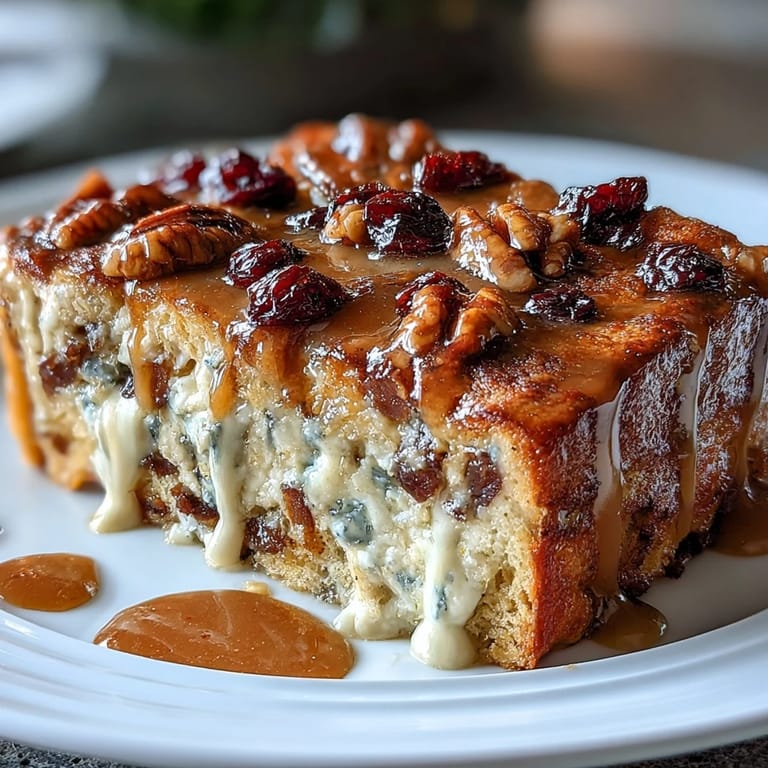
Save The first time capirotada became something special for me was during a rainy Sunday, when the windows fogged up and the dessert cooled just enough to enjoy with coffee. The laughter around the table made it feel a little more like a gift than a recipe, especially as everyone debated their favorite layer: crispy bread or sticky syrup, melty cheese or tangy raisins. That day, the scents lingered well into the evening and the pan was scraped clean.
How to Adjust for Dietary Needs
One thing I learned: swapping out gluten-free bread keeps the structure, so friends sensitive to wheat can still share in the same treat. For the cheese, use a plant-based alternative for a vegan version, and skip the butter or nuts as needed. Double-check labels on everything—especially piloncillo, as some brands vary and can include traces of other ingredients without notice.
Choosing the Best Bread for Capirotada
It's tempting to use fresh bread, but day-old is crucial for holding its shape and soaking up all that syrup without becoming soggy. Try letting your bread sit out overnight or using leftovers you might otherwise toss. If slices are thick, press them gently before layering so they don't overpower the pudding—think of each layer as its own flavor sponge.
Last-minute Suggestions and Serving Ideas
When I serve capirotada, I often let family choose their toppings: more nuts, a scoop of ice cream, or extra syrup. If you're feeling adventurous, drizzle a touch of sweetened condensed milk over each slice to up the richness. Even a sprinkle of cinnamon or a bit of orange zest just before serving can elevate the dessert and make it uniquely yours.
- Avoid rushing the cooling step—it helps flavors meld.
- Pair with fresh coffee or hot chocolate for true comfort.
- If storing leftovers, cover tightly and enjoy within two days.
 Save
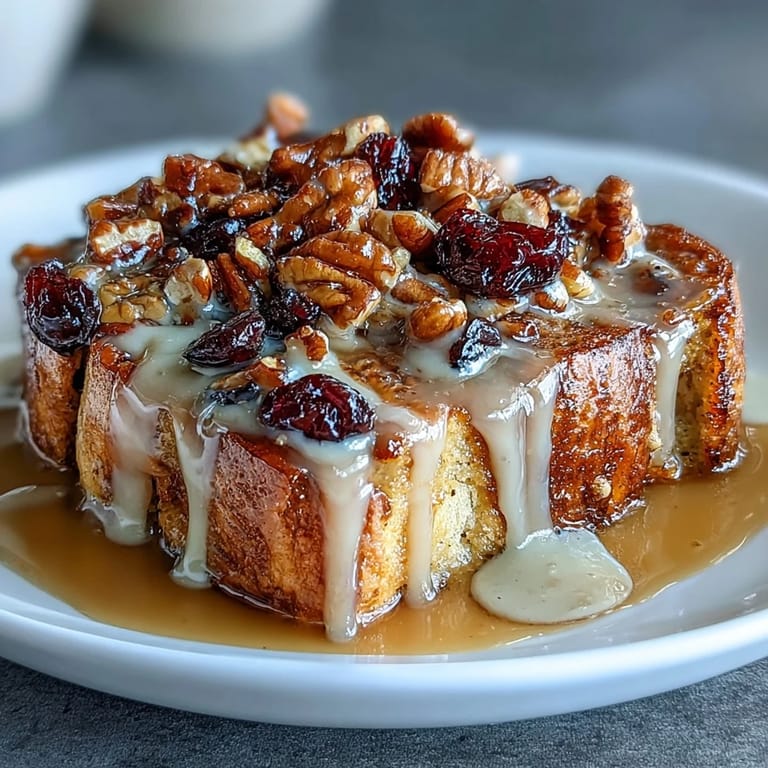
Save Capirotada always brings a sense of celebration to the table, whether for Lent or a spontaneous family dessert. I hope it gifts you that same warmth and joy every time you bake it.
Recipe Questions
- → What kind of bread works best?
Day-old bolillo, French bread, or baguette provide the right texture and absorb syrup well.
- → Can I substitute piloncillo?
Packed dark brown sugar serves as an effective substitute for piloncillo in the syrup.
- → Is it possible to make it gluten-free?
Yes, use gluten-free bread to accommodate dietary restrictions without changing the method.
- → Which cheese gives the best melt?
Mild cheeses like Monterey Jack, mozzarella, or queso fresco melt smoothly for a creamy texture.
- → Can I add other dried fruits?
Absolutely—dried cranberries or chopped apricots are excellent swaps for raisins.
- → How should it be served?
Enjoy it warm or at room temperature to experience its full flavor and comforting texture.