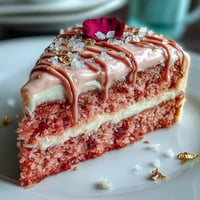
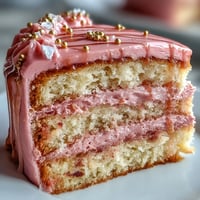
 Save
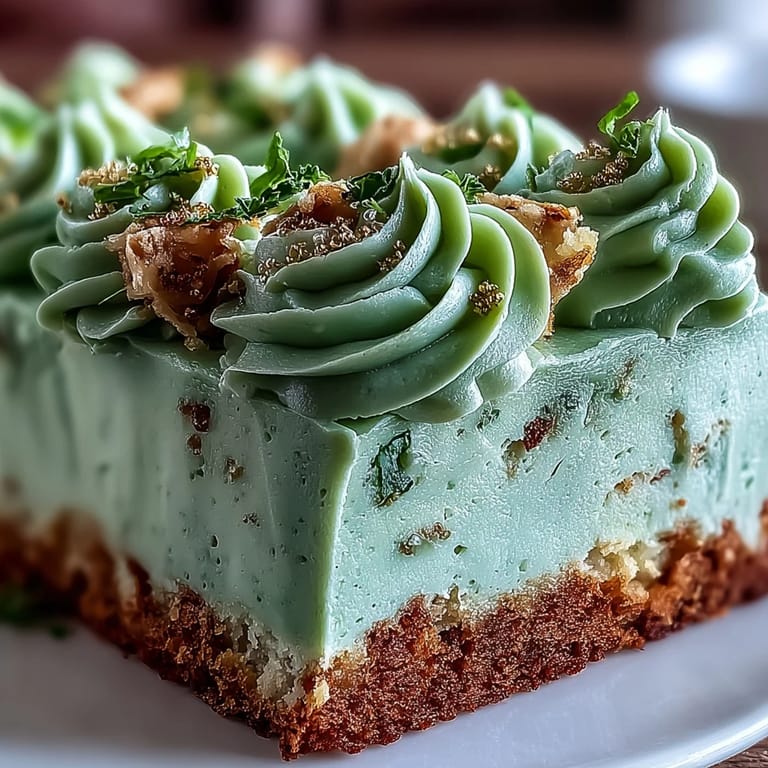
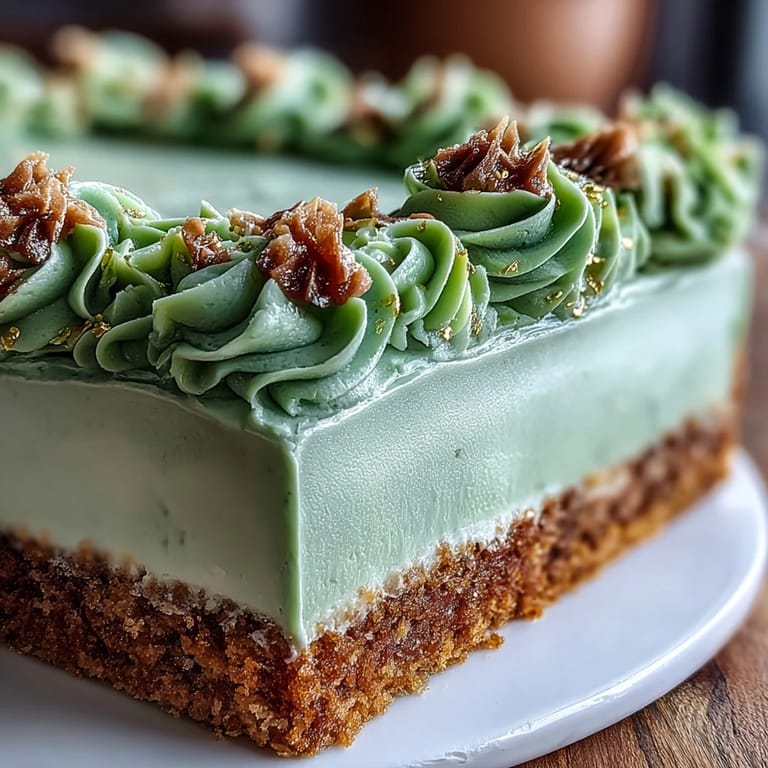
Save It wasn't the confetti or speeches that stuck with me after my cousin's graduation—what lingered was the earthy perfume of vanilla and butter as I navigated piping gold swirls on this sage-green sheet cake. The kitchen that morning was equal parts chaos and calm: spatulas clattered, while flour dust glimmered in the sunlight streaming onto the counter. I’d never worked with edible gold before, and smearing shimmering accents over smooth green peaks felt more like playtime than baking. No one cared if the letters weren't perfect; the laughter from the living room made the entire cake feel like a shared accomplishment. Every slice felt like more than dessert—it was part of the celebration.
Transporting this cake across town last spring—wobbly in the backseat beside a spare cap and tassel—I realized just how much the ritual of frosting and decorating can calm my nerves before big family events. By the time we arrived, my buttercream-streaked apron had become my unofficial party badge.
Ingredients
- All-purpose flour: It's the foundation that keeps the cake moist but sturdy enough for heavy decorations; be sure to measure by spooning and leveling, never packing.
- Baking powder: This gives the cake its high rise; always check your tin is fresh.
- Salt: Just a pinch transforms sweetness, sharpening all the flavors.
- Unsalted butter: Room temperature is key for satin-smooth creaming; a gentle thumbprint means it's ready.
- Granulated sugar: White sugar keeps the crumb bright and light—cream thoroughly for the fluffiest base.
- Large eggs: Eggs at room temp blend more seamlessly, making the cake rich and even.
- Pure vanilla extract: Go for real extract—the fragrance fills the house with warmth and makes everything taste more festive.
- Whole milk: Using it at room temperature creates a tender, unified batter that bakes up evenly.
- Powdered sugar: Sift it to guarantee a silkier, lump-free buttercream.
- Heavy cream or milk: Adjusts your buttercream to just the right spreadable consistency—add slowly until you love the texture.
- Sage green gel food coloring: Gel gives you vibrant, even color without thinning the frosting—go slow, a little transforms a lot.
- Gold edible luster dust: This is the secret to that dramatic, festive finish—mix with a little clear vanilla for painting on shine.
- Clear vanilla or vodka: Loosens the luster dust for smooth, brushable gold details; optional, but makes a difference.
Tired of Takeout? 🥡
Get 10 meals you can make faster than delivery arrives. Seriously.
One email. No spam. Unsubscribe anytime.
Instructions
- Prep Your Pan and Oven:
- Position the rack in the center, preheat to 350°F, and line your sheet pan with parchment for easy release later.
- Mix Dry Ingredients:
- Whisk flour, baking powder, and salt together in a wide bowl—the whiff of flour will always make you feel like you're about to make something good.
- Cream Butter & Sugar:
- Let the mixer hum for several minutes until everything looks pale and fluffy; taste just a tiny dab to enjoy that butter-sweetness.
- Blend in Eggs & Vanilla:
- Add eggs individually, fully beating after each, then stir in the vanilla—the batter should be glossy and rich.
- Combine Wet & Dry:
- Alternate adding flour mix and milk, starting and ending with the flour, then mix just until smooth (not a second more).
- Bake the Cake:
- Spread batter in the pan, tap it once to level, and bake until golden edges pull away and a toothpick comes out clean—expect the aroma to fill your kitchen.
- Cool Completely:
- Rest the cake right in its pan on a rack; patience here means your buttercream won't melt.
- Make the Buttercream:
- Whip soft butter until it's dreamy and pale, then blend in powdered sugar, vanilla, salt, and just enough cream for a lush, spreadable frosting.
- Tint & Divide Frosting:
- Add sage green gel a drop at a time, mixing until you reach that soft earthy hue—reserve some buttercream plain for gold accents.
- Frost the Cake:
- Swoop or smooth your sage green buttercream generously over the cooled cake, savoring how airy and luscious it feels under your spatula.
- Add Gold Accents:
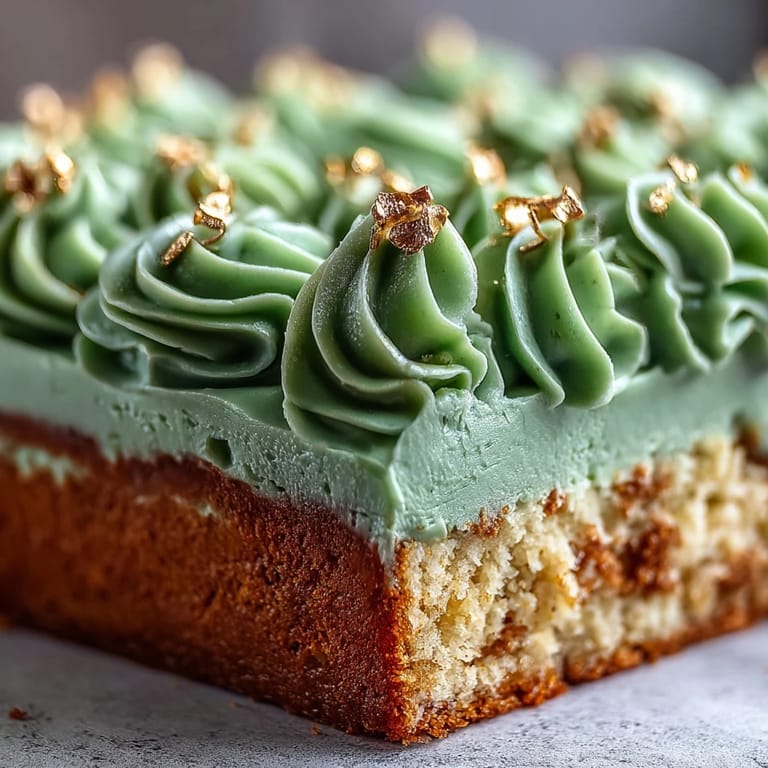
- Mix gold dust with clear vanilla to make a shimmering paint; decorate details or piping, or swirl it directly into a little buttercream for a subtle gilded effect.
- Finishing Touches:
- Adorn with piped graduation hats, gold sprinkles, or whatever festive theme you dream up, knowing the celebration is already baked in.
 Save
Save 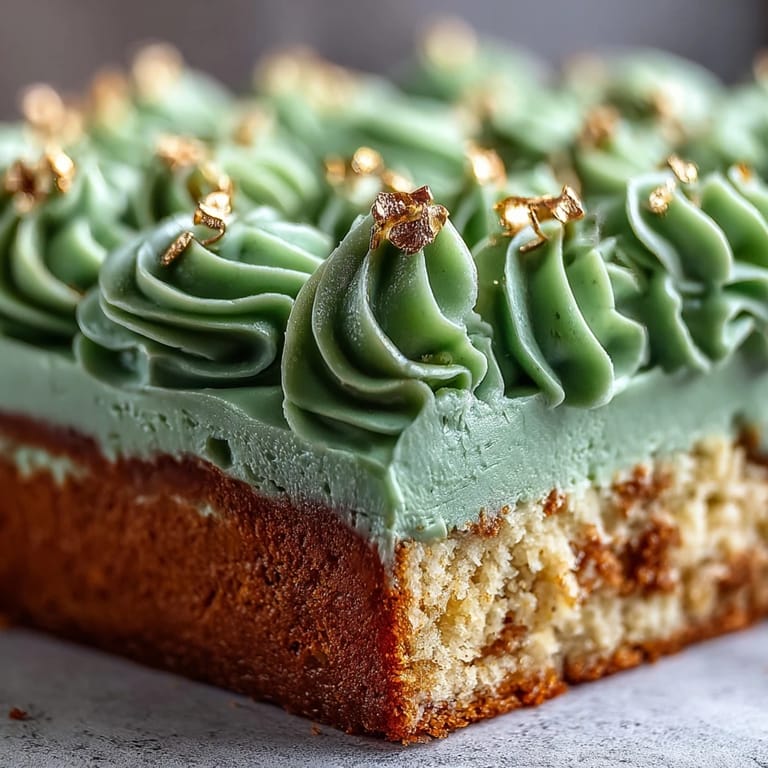 Save
Save At the party, as we sliced through the sage buttercream and passed squares across the crowded table, I realized everyone was giggling over green-streaked fingers and gold-smudged lips—it was the mess that made it memorable.
Bringing Out the Best Sage-Green Shade
Sage green can be elusive—I've ruined a batch or two by adding too much color or using the wrong base. My tip: always start small, and remember the frosting will deepen in hue as it rests, so be patient and let the color settle for a few minutes before adjusting further if needed.
Easy Make-Ahead for Stress-Free Celebrations
Letting the cake cool and frosting it the night before transforms party day into a breeze. The flavors meld and the buttercream sets up beautifully, freeing you up for last-minute touches or simply to sit and enjoy the moment.
Decorating Secrets for a Showstopping Finish
If you're new to piping or painting on cakes, practice on a piece of parchment first before heading to your masterpiece. Using an offset spatula, create easy swoops or clean edges—no need for perfection, just have fun. Gold luster dust can be painted onto chilled buttercream or swirled for a marbled look, and don't forget to finish with a flourish.
- Always store gold-decorated cakes in the fridge but let them come to room temperature before serving for the best texture.
- Wipe your knife between cuts for cleaner slices and crisper visual appeal.
- Resist the urge to overdo the gold—sometimes subtle shimmer is most elegant.
 Save
Save  Save
Save Here's to the cakes that make a moment feel like a celebration—may your kitchen smell sweet and your celebrations shine bright, one delicious slice at a time.
Recipe Questions
- → How do I achieve a smooth sage-green buttercream?
Start with a pale base of buttercream, add gel color sparingly, and mix until evenly tinted. Gel coloring provides concentrated pigment without thinning the buttercream; add tiny amounts until you reach the desired sage tone.
- → What is the best way to get a tender sheet cake crumb?
Follow the creaming method: beat butter and sugar until light, incorporate eggs one at a time, and alternate dry ingredients with room-temperature milk. Avoid overmixing once flour is added to keep the crumb tender.
- → How should I apply the gold accents without altering texture?
Mix edible luster dust with a few drops of clear vanilla or vodka to form a paint and brush onto piped buttercream, or blend a small amount into reserved buttercream for marbled gold. Use light layers to preserve texture and sheen.
- → Can I make components ahead of time?
Yes. Bake the sheet cake and freeze or refrigerate wrapped tightly. Buttercream can be refrigerated for a few days or frozen for longer; bring to room temperature and re-whip before spreading. Assemble shortly before serving for best appearance.
- → What substitutions work for dietary needs?
Swap all-purpose flour for a 1:1 gluten-free blend, though texture may vary. Use plant-based milk and vegan butter for dairy-free versions, and ensure powdered sugar is free of bone char if required.
- → How do I get clean, even slices for serving?
Chill the iced cake for at least 30 minutes to firm the buttercream, then use a hot, clean knife wiped between cuts. For neat squares, warm the knife under hot water and dry it before slicing each row.