 Save
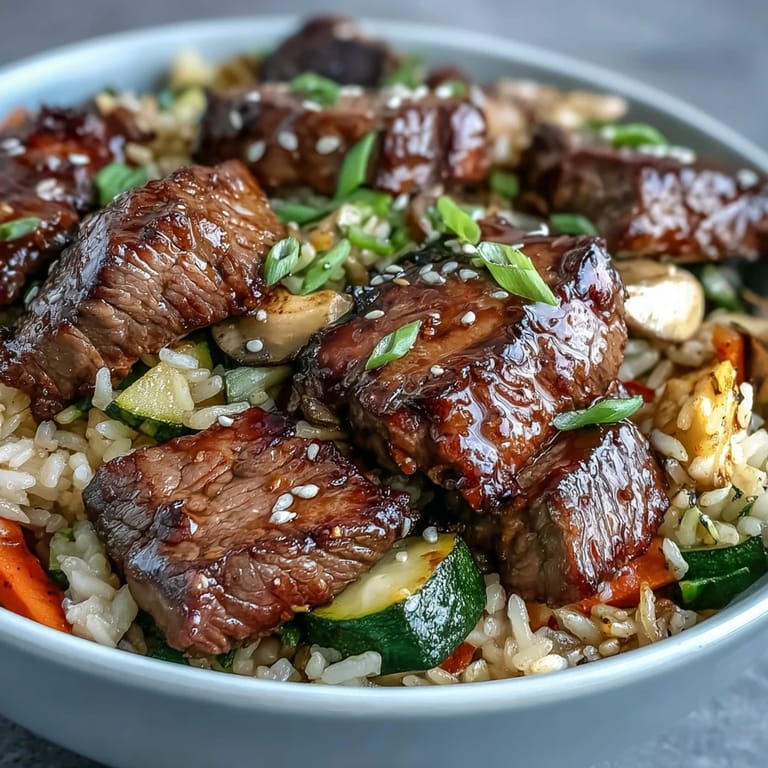
Save My kitchen got quiet one Tuesday evening when my partner mentioned craving that hibachi place downtown, and I realized I could recreate it faster than our usual reservation time. The sizzle of a hot pan and the smell of soy sauce hitting hot oil became my answer, and within thirty-five minutes we were eating restaurant-quality steak and fried rice without the noise or the bill. What struck me most was how the butter at the end transformed everything into something richer than the sum of its parts.
Last month, I made this for friends who arrived unannounced with wine and appetites, and somehow it felt like the most natural thing to do. There's something about cooking in front of people, the way the vegetables soften and the steak browns, that makes them feel part of the meal before they even taste it. They left saying it was better than the place they usually order from, and I didn't tell them it cost half as much.
Ingredients
- Sirloin steak, cut into 1-inch cubes: One pound gives you enough tender bites throughout the rice without overwhelming it, and the marinade works fastest on smaller pieces.
- Low-sodium soy sauce: Using the low-sodium version lets you control the salt and taste the other flavors, especially that mirin sweetness.
- Mirin: This sweet rice wine adds depth; if you don't have it, dry sherry works but use a touch less since it's sharper.
- Sesame oil: Just one tablespoon is enough to carry that toasted aroma through the whole dish without overwhelming it.
- Jasmine rice: Day-old rice is non-negotiable here because fresh rice releases too much starch and turns mushy under the spatula.
- Vegetable oil: This handles the high heat better than olive oil, which would burn and taste bitter at hibachi temperatures.
- Mixed vegetables (onion, carrots, zucchini, mushrooms, peas): This combination gives you sweetness, earthiness, and a little textural variety that keeps every forkful interesting.
- Eggs: Two large eggs create that creamy texture when scrambled through the rice, mimicking what happens on the hibachi griddle.
- Butter: Unsalted butter added at the end creates richness and helps the rice get those golden, slightly crispy edges.
- Green onions: These bright, oniony notes cut through the richness and remind you that vegetables live here too.
Tired of Takeout? 🥡
Get 10 meals you can make faster than delivery arrives. Seriously.
One email. No spam. Unsubscribe anytime.
Instructions
- Marinate the steak:
- Toss your cubed steak with soy sauce, mirin, sesame oil, minced garlic, and black pepper in a bowl and let it sit while you chop everything else. Even ten minutes makes a noticeable difference in flavor and tenderness.
- Sear the steak:
- Heat one tablespoon of oil in a large skillet or wok over medium-high heat until it shimmers, then add the steak and cook for two to three minutes, stirring occasionally, until the outside browns but the inside stays pink. You want it tender, not gray all the way through, so don't overcrowd the pan.
- Cook the vegetables:
- In the same unwashed pan (all those browned bits matter), add the remaining oil and sauté your diced onion, carrots, zucchini, and mushrooms for four to five minutes until they soften but still have a little resistance. Garlic and ginger would go here if you wanted to get fancy, but this version keeps things simple and lets the steak shine.
- Scramble the eggs:
- Push everything to the side of the pan, pour in your lightly beaten eggs, and let them scramble in that cleared space until they're just set. Breaking them into small pieces as they cook helps them distribute through the rice later.
- Bring it together:
- Add your cooled rice, the cooked steak, and the frozen peas, then pour soy sauce over everything and toss gently, breaking up any clumps of stuck-together rice. This is where it starts to feel like hibachi, with everything mixing and warming through.
- Finish with butter and heat:
- Stir in butter and half the green onions, then cook for another two to three minutes, stirring frequently, so the rice picks up a little golden color and crispiness on the bottom. You're looking for that faint toasted smell.
- Taste and serve:
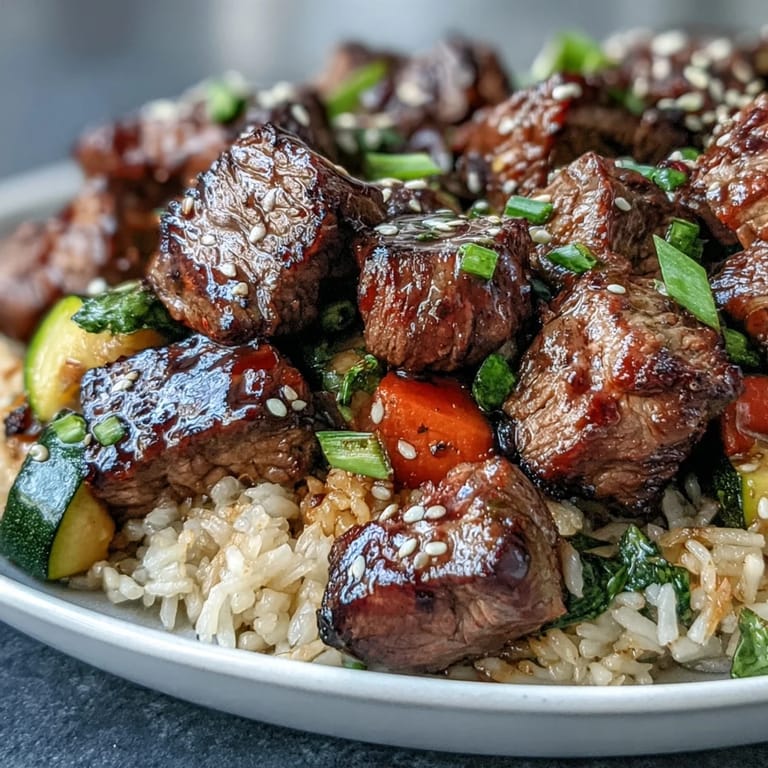
- Taste it, adjust salt and pepper if needed, then serve immediately while everything is still hot, garnished with sesame seeds and extra green onions.
 Save
Save There's a moment right at the end, when you hear the butter hit the hot rice and start to sizzle, that reminds you why people love hibachi so much. It's not just food; it's the sound and smell and the feeling of eating something that was just cooked in front of you.
Why Day-Old Rice Changes Everything
I learned this the hard way when I tried to make this with fresh rice from the cooker, hoping to save time by skipping the overnight rest. The rice turned into porridge within minutes of hitting the hot pan, clumping together despite my best stirring efforts. Now I always plan ahead, spreading rice on a plate to cool quickly or keeping leftovers specifically for moments like this.
Building Flavor Layers Without Complexity
The genius of this recipe is that it uses simple ingredients but treats them with respect, letting each one do one job really well. The mirin adds sweetness that balances the salty soy sauce; the sesame oil brings nuttiness that makes you forget this is a weeknight dinner; the garlic in the steak marinade flavors the oil so every grain of rice picks it up. You're not juggling ten techniques; you're just understanding that timing and heat do most of the work.
Customizing Without Losing the Plot
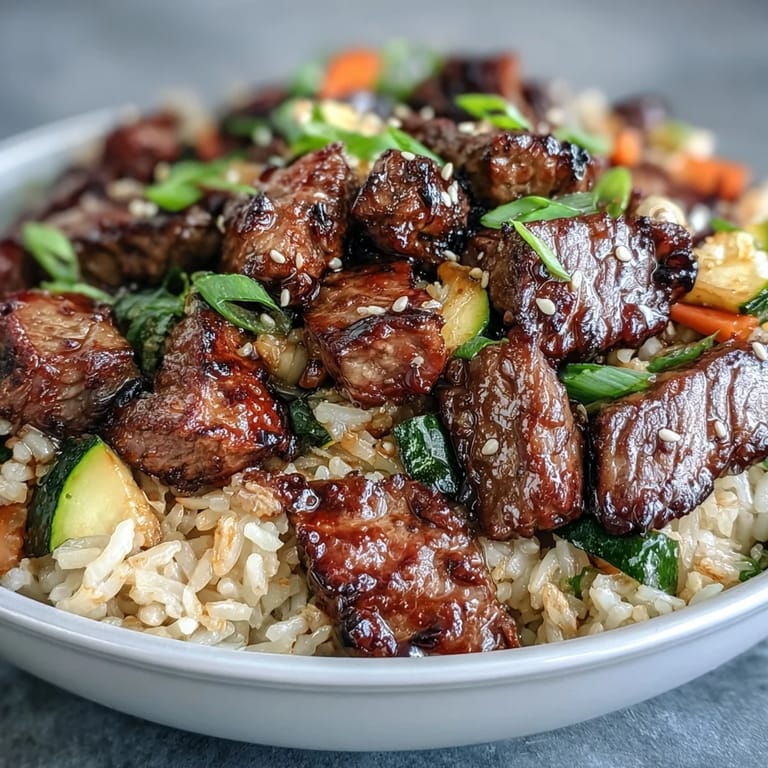
Once you understand how this works, you can swap almost anything in and it still tastes like hibachi-style cooking. Shrimp instead of steak cooks in the time it takes to sear the steak; chicken thighs stay juicier than breasts; even tofu curries the soy sauce if you cook it long enough. The vegetables are flexible too—broccoli, snap peas, bell peppers, or even cabbage all work because they're playing the same textural role.
- Cook proteins just long enough to brown them, then remove and add back at the end so they stay tender.
- Keep your rice cold and your pan hot; that's the whole secret to getting crispy edges.
- Taste at the very end because different soy sauces vary wildly in saltiness, and you might need more or less than the recipe suggests.
 Save
Save This recipe proved to me that restaurant meals aren't magic; they're just technique and heat applied to straightforward ingredients. Now I make this whenever I want that specific craving, and it's faster and cheaper than driving across town.
Recipe Questions
- → Why use day-old rice for hibachi?
Cold, day-old rice has dried out slightly, which prevents it from becoming mushy during cooking. The grains separate easily and develop a satisfying texture that absorbs flavors beautifully while maintaining their individual structure.
- → What cut of steak works best?
Sirloin is an excellent choice for hibachi-style preparation because it's tender, flavorful, and cuts easily into cubes. Ribeye or flank steak also work well. The key is cutting against the grain into bite-sized pieces for quick, even cooking.
- → Can I make this gluten-free?
Absolutely. Simply substitute regular soy sauce with tamari or a certified gluten-free soy sauce alternative. All other ingredients naturally fit gluten-free dietary requirements, making this dish easily adaptable.
- → How do I prevent the eggs from overcooking?
Push the vegetables to one side of the pan creating a cleared space. Pour the beaten eggs into this area and scramble just until set. The residual heat from the other ingredients will finish cooking them gently without becoming rubbery.
- → What vegetables can I substitute?
Feel free to customize based on preferences or what's available. Bell peppers, snap peas, broccoli florets, or bean sprouts all work wonderfully. The key is cutting everything into similar-sized pieces for even cooking.