 Save
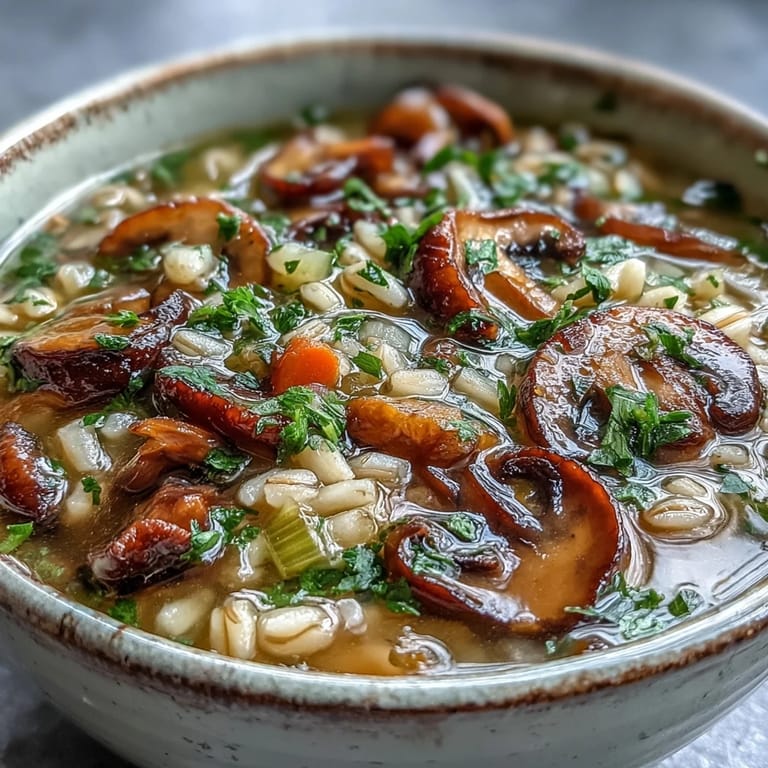
Save My grandmother's kitchen always smelled like this soup simmering on her stove during late autumn, the kind of aroma that made you want to sit at her table for hours. She wasn't fancy about cooking, but she understood something essential about comfort food that I only appreciated years later—the way dried mushrooms could transform broth into something deep and almost velvety, the way barley surrendered its starch to create body and warmth. One afternoon, watching her work without measuring cups or timers, I realized this wasn't just a recipe she followed; it was a conversation between her and her ingredients. That soup taught me more about cooking than any technique ever could.
I made this for my partner on a particularly rough week, the kind where everything felt off and nothing seemed to matter much. He came home to find the kitchen warm and steamy, the windows fogged, and somehow that simple act of simmering vegetables and mushrooms felt like the most honest thing I could do. He sat at the kitchen counter and didn't say much, just ate slowly, and by the second bowl, I saw him actually relax. That's when I understood that this soup wasn't really about ingredients at all.
Ingredients
- Dried shiitake mushrooms (1 oz): These are the soul of the soup—don't skip them or substitute with regular dried mushrooms, because they bring an umami depth that fresh mushrooms alone simply cannot achieve.
- Fresh white mushrooms (8 oz, sliced): They add texture and volume while the dried mushrooms provide the flavor foundation that makes people wonder what your secret ingredient is.
- Pearl barley (3/4 cup, rinsed): Rinsing removes excess starch and prevents the soup from becoming gluey, which I learned the hard way after my second batch turned into something closer to porridge.
- Olive oil (2 tbsp): Use a decent quality oil here because you'll actually taste it in the base layer of the soup.
- Onion, carrots, celery (1 medium onion, 2 carrots, 2 stalks): This holy trinity builds the foundation—take time to dice them evenly so they soften at the same rate.
- Garlic (3 cloves, minced): Add it after the softer vegetables have started breaking down, otherwise it can turn bitter and harsh.
- Vegetable broth (8 cups): Low-sodium is essential because you're building flavor yourself and don't want the broth overwhelming everything else.
- Bay leaves (2), dried thyme (1 tsp), dried parsley (1 tsp): These herbs are gentle enough that they blend into the background rather than shouting, which is exactly what you want in a soup that should taste like it evolved naturally.
- Salt and black pepper: Taste as you go—the barley and mushroom soaking liquid both add subtle saltiness, so season gradually.
- Fresh parsley for garnish: Optional, but a small handful stirred in at the end brings brightness that cuts through all that earthiness.
Tired of Takeout? 🥡
Get 10 meals you can make faster than delivery arrives. Seriously.
One email. No spam. Unsubscribe anytime.
Instructions
- Revive your dried mushrooms:
- Pour boiling water over the shiitake mushrooms and let them sit for twenty minutes—this isn't wasted time, it's when they hydrate and release their deepest flavors into the liquid. Drain them carefully and strain the soaking liquid through a fine sieve to catch any sand or grit that dried mushrooms sometimes carry.
- Build your aromatic base:
- Heat olive oil in your pot and add the onion, carrots, and celery, letting them cook gently for five minutes until they soften at their edges. This isn't about browning them hard; it's about coaxing out their sweetness and creating the foundation that everything else will rest on.
- Bloom the garlic:
- Add your minced garlic and stir constantly for about one minute—you'll know when it's ready because the kitchen will suddenly smell alive and green. Stop before it browns because burnt garlic will haunt your entire pot.
- Bring in the mushrooms:
- Add both your fresh sliced mushrooms and the soaked shiitake pieces, and let them cook for about five minutes until they begin releasing their dark, glossy juices into the pot. This is when the soup starts tasting like something real rather than just vegetables and broth.
- Combine everything:
- Stir in the rinsed barley, pour in the reserved mushroom soaking liquid and your vegetable broth, then add the bay leaves and dried herbs. This moment, when everything comes together, is when you can finally step back and let time do most of the work.
- Simmer low and slow:
- Bring the pot to a boil, then lower the heat and cover it, letting everything simmer gently for fifty to sixty minutes while you do something else entirely. Stir occasionally and listen for the quiet bubble that tells you it's happy, not the aggressive boil that cooks things too fast.
- Finish with intention:
- Fish out the bay leaves, taste the soup carefully, and adjust your seasoning—sometimes it needs more salt, sometimes just a crack of fresh pepper. Ladle it into bowls and finish with fresh parsley if you have it, letting the green flicker against the dark broth.
 Save
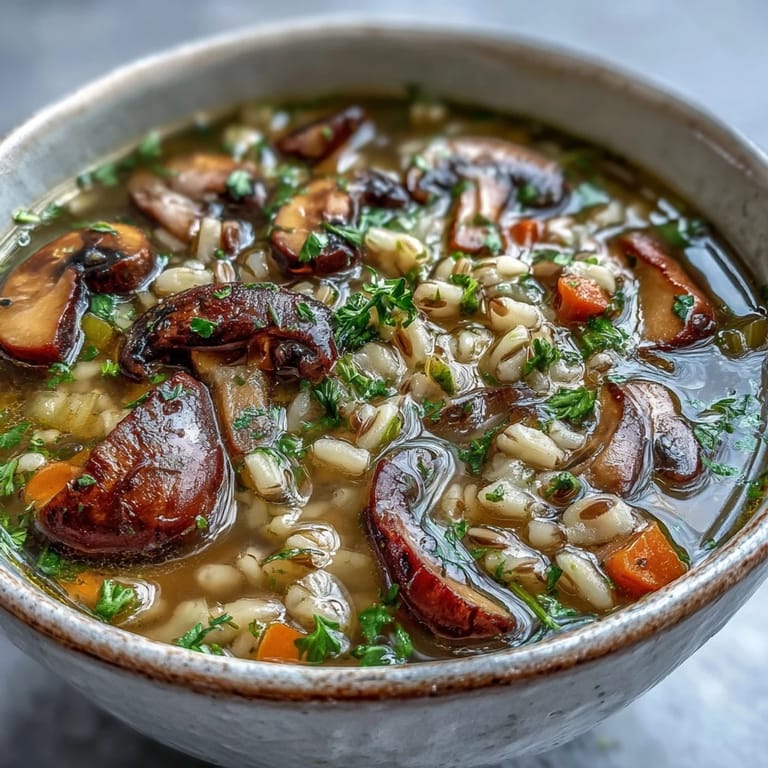
Save Years later, I make this soup when I want to remind myself that real comfort doesn't come from complexity or presentation—it comes from taking care of the basic things well. My grandmother would probably laugh at how much I think about something she just threw together, but I think she'd also recognize that I finally understood what she was trying to teach me.
The Secret of Dried Mushrooms
When I first started cooking with dried mushrooms, I treated them like an afterthought, something to rehydrate and move on from. Then someone told me that the soaking liquid was actually more valuable than the mushrooms themselves, and everything changed. That dark, concentrated liquid holds all the umami compounds that make the soup taste like someone has been slowly building flavor for years, even though you've only been cooking for an hour. Save it, strain it, use every drop.
Why Barley Matters Here
Barley isn't just a thickener or a grain to fill you up—it's an active ingredient that transforms as it cooks. In the beginning it's almost crunchy, then gradually it softens and swells, releasing starch that makes the broth silky without any cream. Each time the soup simmers, the barley gives a little more of itself, which is why this is one of those rare soups that tastes better on day two or three. Plan for that; plan to make extra because you'll want leftovers.
Serving and Storage Wisdom
This soup lives well in your refrigerator for up to five days, and it actually freezes beautifully if you want to make a double batch and save some for later. When you reheat it, the barley will have absorbed even more liquid, so add extra broth gradually until you reach the consistency you want. Serve it with dark rye bread if you're feeling nostalgic, or just eat it straight from the bowl on a cold evening when you need something honest and grounding.
- Add diced potatoes or parsnips with the vegetables if you want the soup thicker and more substantial.
- If you ever want to make this non-vegetarian, substitute chicken broth for the vegetable broth and it shifts into a completely different flavor profile.
- The soup tastes exactly like it should after forty-five minutes, but give it the full fifty to sixty minutes anyway—patience is the real ingredient here.
 Save
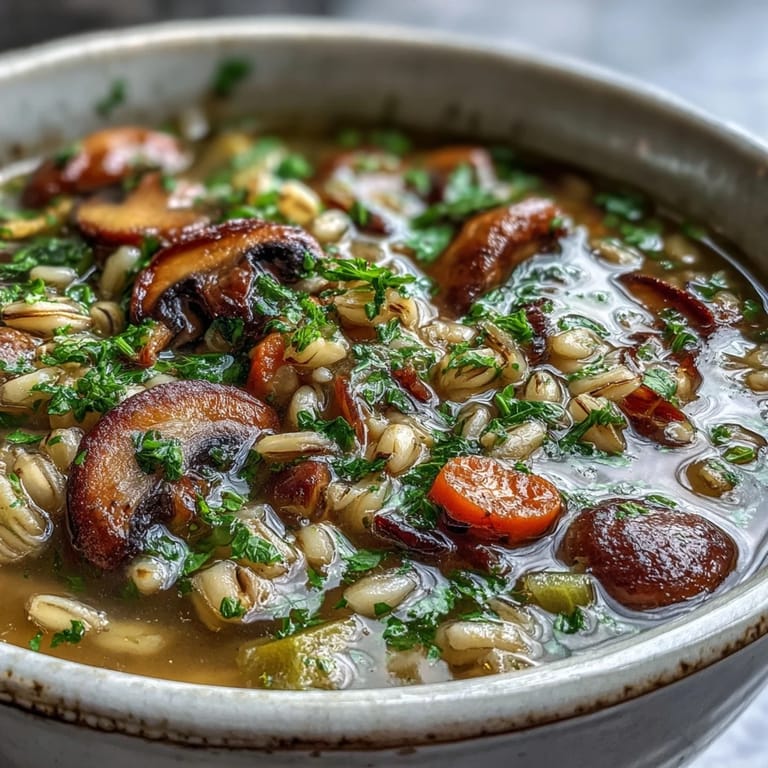
Save Make this soup when you want to feel like you're cooking something that matters, something that nourishes in a way that goes beyond calories and nutrition. It's the kind of meal that reminds you why you learned to cook in the first place.
Recipe Questions
- → Can I use different types of mushrooms?
Yes, you can substitute cremini, portobello, or oyster mushrooms for the white mushrooms. The dried shiitake provide essential depth, but you can also use dried porcini for variation.
- → How do I prevent the barley from getting too thick?
Pearl barley absorbs liquid as it sits. If the soup thickens after cooling or the next day, simply add extra vegetable broth or water when reheating until you reach your desired consistency.
- → Can this soup be made ahead of time?
Absolutely. This soup tastes even better the next day as flavors meld. Store in an airtight container in the refrigerator for up to 4 days, or freeze for up to 3 months.
- → Is there a gluten-free alternative to barley?
Yes, substitute pearl barley with wild rice, brown rice, or quinoa. Cooking times may vary slightly, so check for tenderness and adjust as needed.
- → What can I serve with this soup?
Serve with crusty rye bread, sourdough, or a simple green salad. For a complete deli experience, pair with pickles and a side of coleslaw.
- → Do I need to rinse the pearl barley?
Yes, rinsing pearl barley removes excess starch and any debris, resulting in a cleaner-tasting soup with better texture.